
Vegetation
Describe grass height and density, mowing frequency and any woody growth. Photos help show conditions that a simple land-area figure cannot.
Mower buying guide
Start with what you cut, where the machine must travel and how you will transport it. Then compare cutting width, overall dimensions, weight and engine configuration.
Describe grass height and density, mowing frequency and any woody growth. Photos help show conditions that a simple land-area figure cannot.
Note slopes, soft ground, stones, irrigation lines and uneven areas. Share slope measurements where available; confirm suitability for the specific machine.
Record gates, rows, low branches, turns, storage space and the vehicle or trailer you will use. The route to the work matters as much as the cutting area.
Remote-controlled does not mean autonomous. An operator directs and supervises these mowers using a handheld remote. Follow the operating instructions and keep people and animals clear of the working area.
These three tracked models illustrate the size and weight differences across the range. They are comparison examples, not automatic recommendations for a particular site.
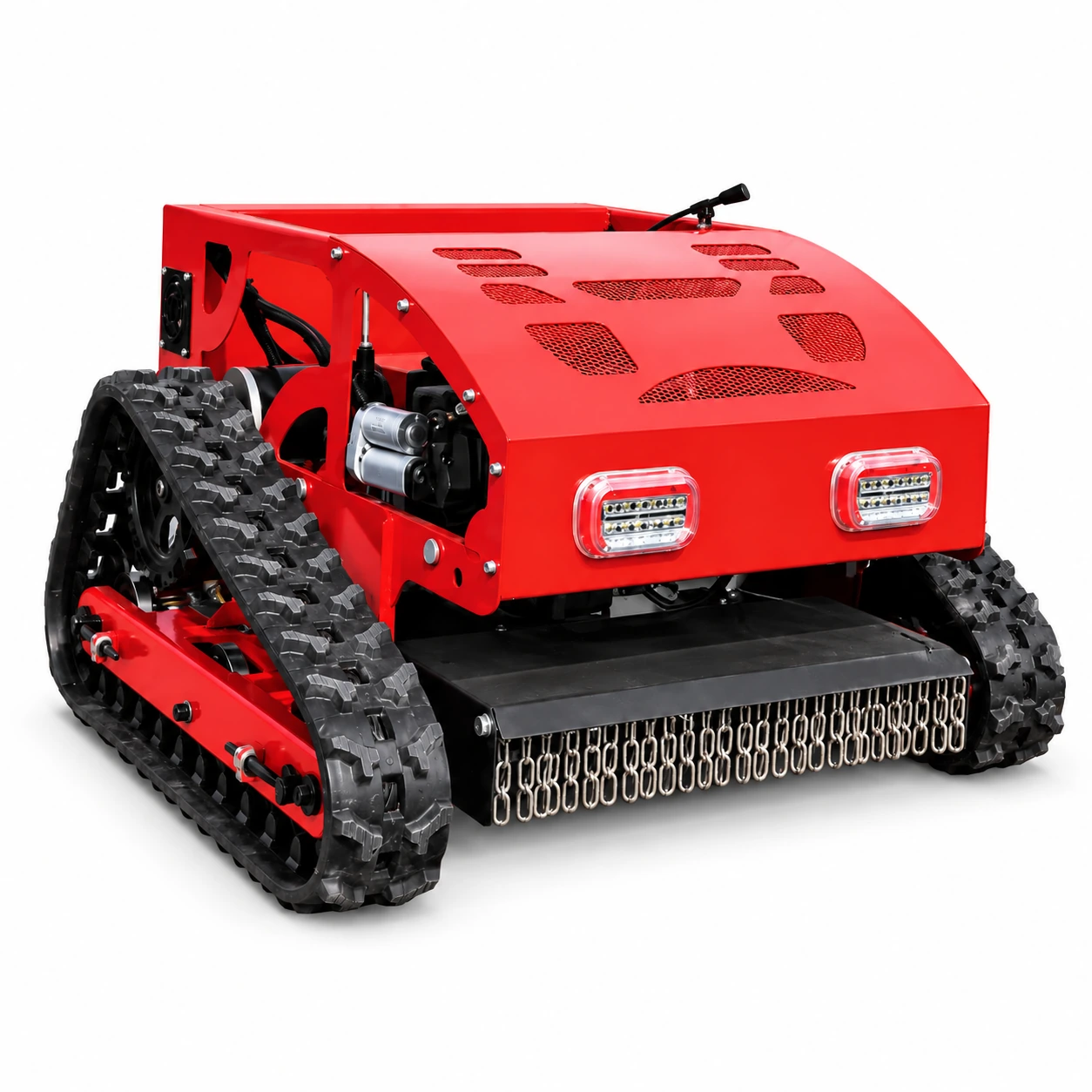
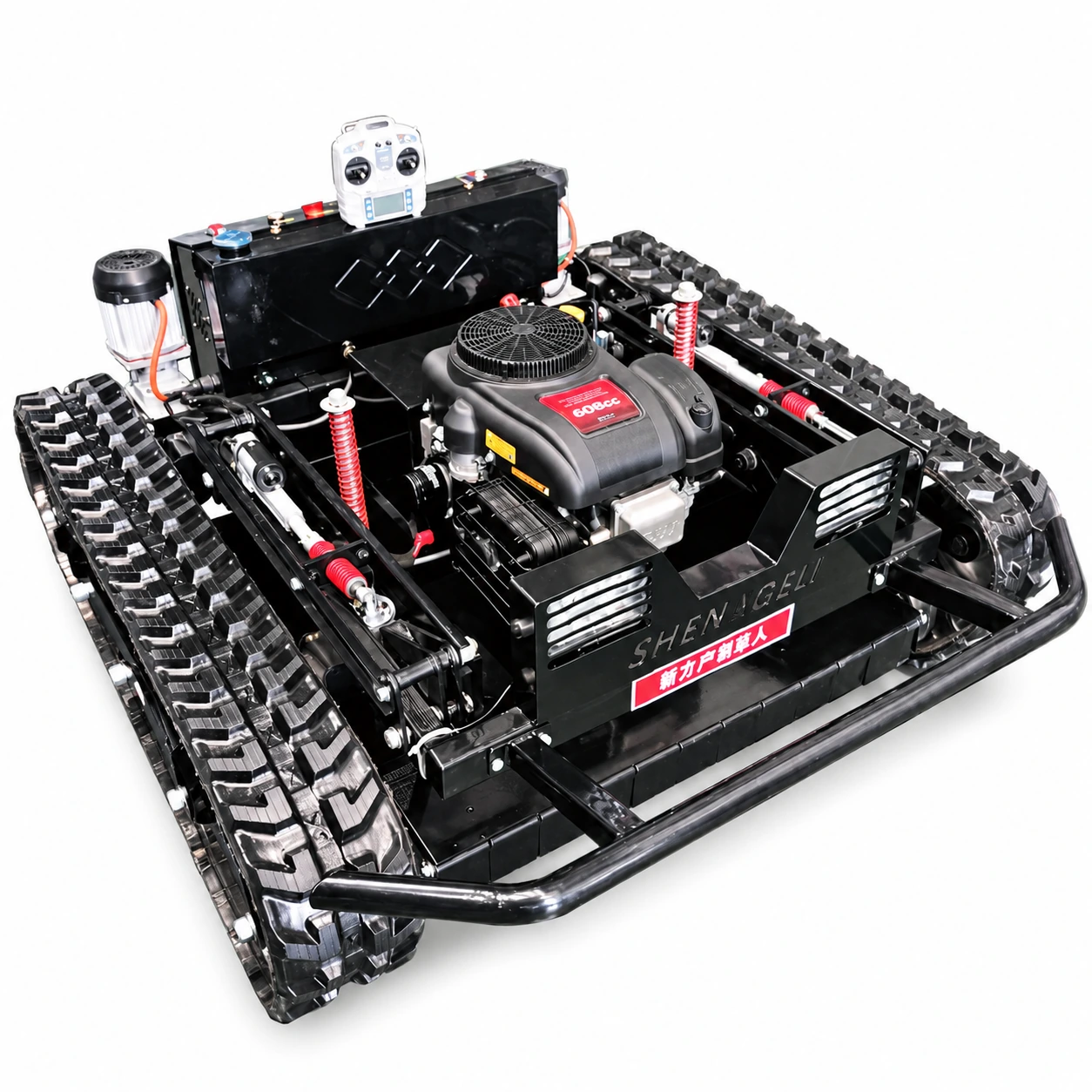
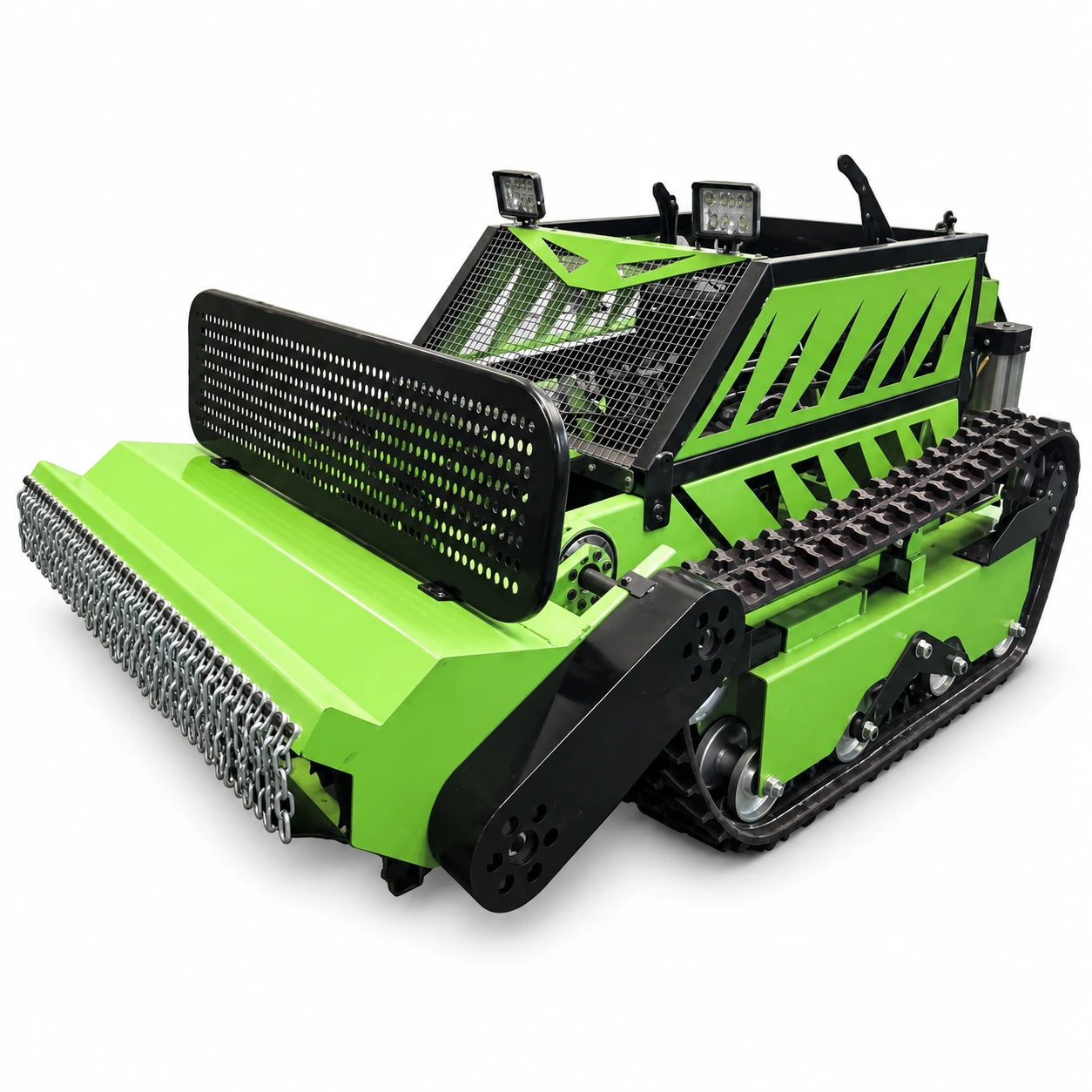
A wider cut is only one part of the choice. It also changes access and transport requirements. Do not estimate hourly output from cutting width alone; vegetation, terrain, travel speed and turning all affect the work.
Start with the fuel you can obtain and store, the engine’s maintenance requirements and the machine’s size and weight. Compare the exact configuration, starting method and local servicing options.
Fuel type alone does not establish cutting performance or ownership cost. Ask for model-specific consumption information if running cost is central to your decision.
Describe the ground surface, slopes, soft areas and how much turning is needed. Ask how the selected drive configuration suits those conditions and what routine care it needs.
Tracks do not guarantee safe operation on every slope. Check the operating limits and conditions for the exact machine, including any fitted attachment.
| Check | Include in your enquiry |
|---|---|
| Configuration | Model, engine, included controls and equipment. Specify attachments separately and confirm compatibility. |
| Delivery | Destination, packing dimensions and weight, freight scope, preparation time and shipping estimate. Confirm import and local charges separately. |
| Maintenance | Operating instructions, routine service requirements, replacement blades and other parts you want with the machine. |
| Warranty | Coverage, exclusions and how to request support for the supplied machine. Read after-sales information. |
Send your country, preferred model or cutting requirements, narrowest access measurement and intended quantity. Describe the vegetation and ground conditions if you need selection help.